-
Russian tycoon Oleg Deripaska is calling for 12-hour, six-day workweeks.
-
The aluminum billionaire says longer work could help Russia speed through economic upheaval.
-
He says Russia's edge is its ability to rally and work harder in a crisis.
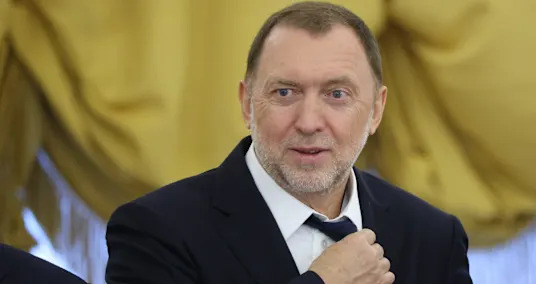
Russians should consider working 12-hour days, six days a week, as the country grapples with a deeper economic shift, Russian billionaire Oleg Deripaska said on Monday.
Referring to what he described as a changed global reality, Deripaska framed the country's slowing economy as more than a typical downturn driven by interest rates or monetary policy.
"This crisis is deeper. It is caused by a difficult transformation: from the global opportunities we once had to regional ones, with all sorts of restrictions," Deripaska wrote in a Telegram post.
He argued that Russia should tap into what he described as its only real resource — a "national characteristic."
"In difficult moments, we know how to pull ourselves together and work more," wrote Deripaska, the founder of Rusal, a major aluminum producer.
Longer working hours, he suggested, could help the economy adjust more quickly to changing global conditions.
"The sooner we switch to this new schedule — from 8 a.m. to 8 p.m., including Saturdays — the faster we will complete this transformation," the industrial magnate wrote.
His comments come as Russia's economy navigates a shifting landscape shaped by geopolitical tensions and changing trade flows.
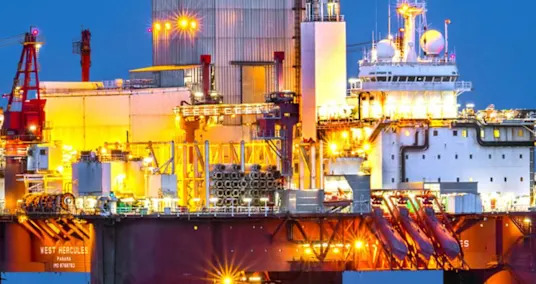
Russia, a major energy exporter, has been benefiting from a surge in prices, with crude markets jolted by escalating tensions in the Middle East and disruptions to key supply routes.
Oil and gas revenues have historically accounted for more than a third of Russia's federal budget, which has been under pressure from sweeping sanctions in recent years. Official estimates showed Russia's economy grew 1% in 2025 — down sharply from 4.3% growth in 2024.
Disruptions to tanker traffic through the Strait of Hormuz — a critical global oil chokepoint — alongside a limited US sanctions waiver on some Russian shipments, have reshaped trade flows as countries scramble for supplies.
However, Deripaska had warned earlier this month that the conflict in the Middle East could weigh on global — and Russian — growth despite higher oil prices.
Benchmark crude oil futures are over 70% higher this year and trading above $100 per barrel.
Read the original article on Business Insider
LATEST POSTS
- 1
 Discovery off Israel’s coast reveals earliest known 2,600-year-old shipment of raw iron
 - 2Barry Manilow reveals lung cancer diagnosis and plans to undergo surgery: 'It's pure luck' it was 'found so early'
- 3'All Her Fault' ending explained: The shocking conclusion to the psychological thriller inspired by true events
- 4New subclade K flu strain raises concerns: What families should know
- 5Sa'ar warns German delegation: 'A Palestinian state would be a Hamas terror state'


- The most effective method to Go Down Abundance through Ages with Disc Rates
- An Aide On Upgrading Your FICO rating
- Tributes pour in for James Ransone, 'The Wire' actor who died at 46
- ‘RuPaul's Drag Race’ Season 18: How to watch without cable, premiere time, cast list and more
- Sintana Energy flags major resource upgrade at Namibia oil discovery
- 'Here we go again': Businesses grapple with fuel costs
- Dental Embed Innovation: An Achievement in Helpful Dentistry
- The Most Paramount Crossroads in Olympic History
- How will the universe end?