A massive dust storm, or haboob, swept across the Sahara Desert from western Algeria into Mauritania, Morocco, Western Sahara and the Canary Islands on March 30. The dust stretched for more than 1,000 miles.
As meteorologists observed the dust storm from space via weather satellites, social media users captured the incoming dust storm on camera. One video shows a thick wall of dust and sand moving toward a resident of the town of Tindouf, near the Mauritanian, Western Saharan and Moroccan borders.
How does the dust affect tropical storms in the Atlantic?
While this storm didn't make it too far off the coast, significant amounts of dust can drift westward from Africa across the Atlantic beginning in May. This can inhibit tropical storm formation, or the strengthening of an existing system, because the dusty air has about 50% less moisture than the typical tropical atmosphere.
Strong winds in the dust layer can also substantially increase the vertical wind shear in and around the storm environment, potentially disrupting any storm that forms.
LATEST POSTS
- 1
 Figure out how to Consolidate a Brain science Certificate with Social Work
 - 2Colorado residents face earliest water restrictions ever — a harbinger of worse to come
- 3Culinary Joys: Investigating Connoisseur Cooking at Home
- 4Interstellar comet 3I/ATLAS will fly by Earth Friday. Here are the latest images
- 5Southern Californians, your health insurance costs could rise in 2026




- Understanding Various Sorts of Financial balances: An Extensive Outline
- Women take pride in Holy Week roles after a Spanish Catholic brotherhood's procession excluded them
- Savvy Tips for Seniors Hyundai IONIQ EV
- The most effective method to Look at Medical caretaker Compensations Across Various Clinics
- Doulas play essential roles in reproductive health care – and more states are beginning to recognize it
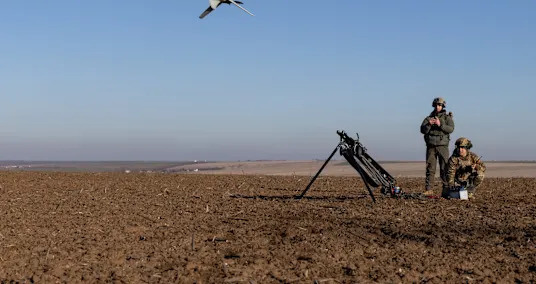
- Drones haven't won the fight in Ukraine. That matters as the West learns new ways of war.
- Firefighters rescue two Israelis trapped in vehicles on flooded roads in West Bank
- Exploring the Gig Economy: Examples from Consultants
- China Just Got A Lot Closer To Its First-Ever Manned Moon Landing